
OIL & GAS

ROTOBOOST Oil & Gas Solution

tcd_og-2 tcd_og-2
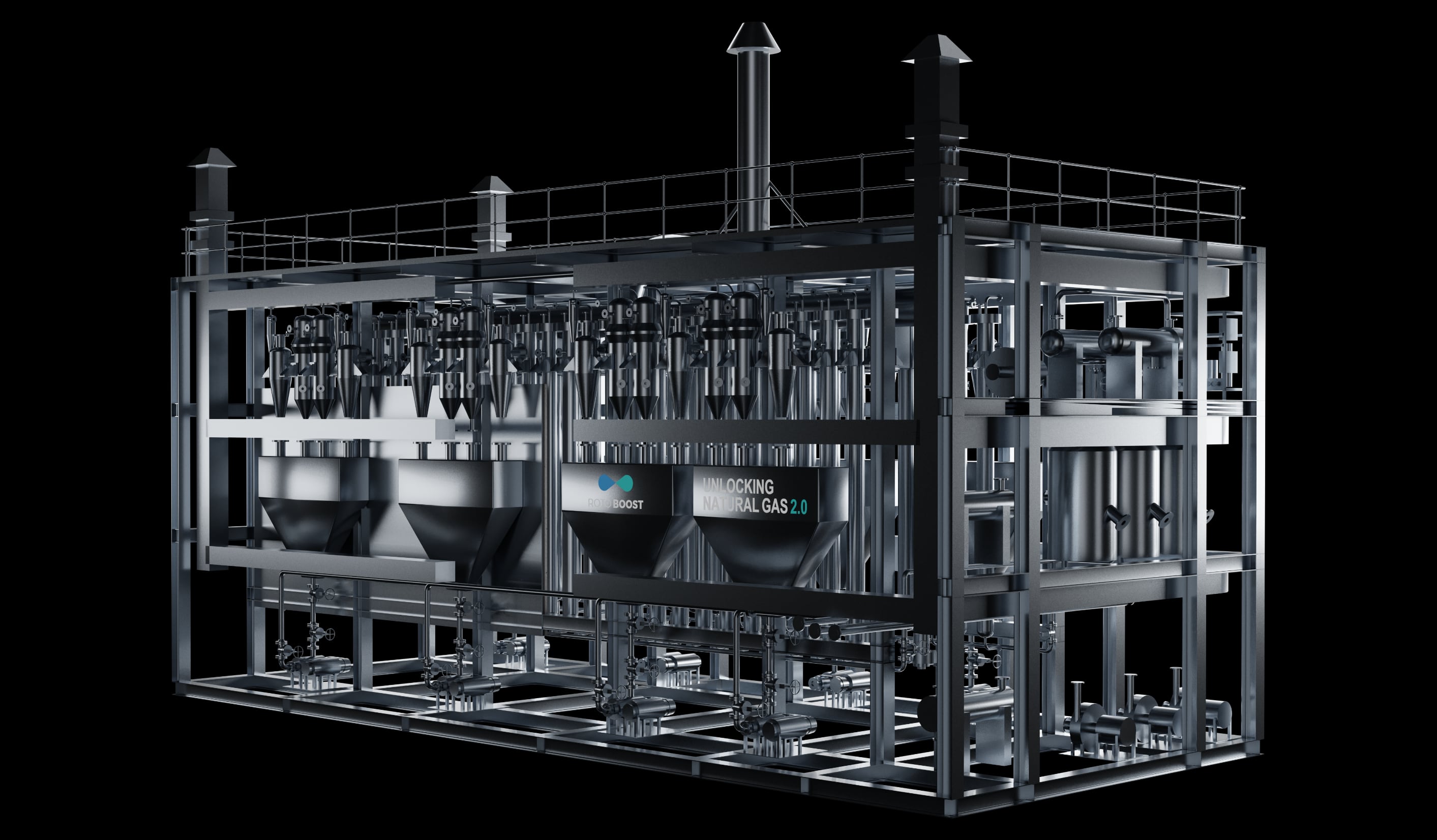
3D model of TCD system
cert_logo_tuv
cert_logo_abs
cert_logo_bv
cert_logo_lr
cert_logo_rina

Decarbonization for Oil & Gas Industry Chain

Scalable Technology for Real-World Scenarios

badge-upstream
Upstream
badge-midstream
Midstream
badge-downstream
Downstream

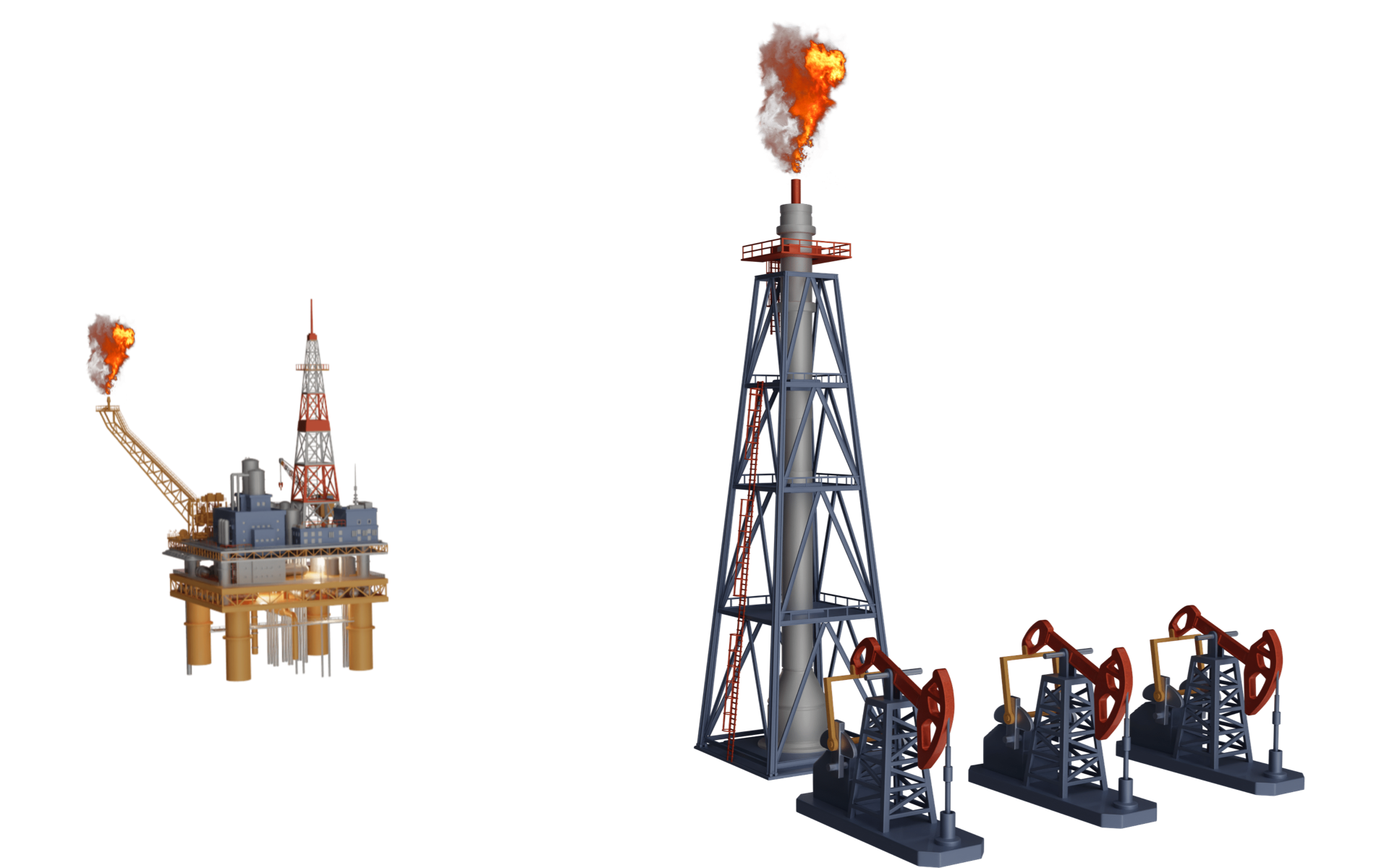
Upstream

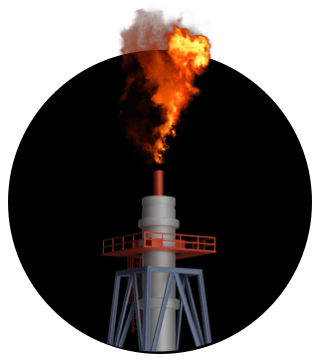
Harnessing Flare Gas Molecular Potential

oil_gas_upstream

Challenges of Decarbonization

  • Achieving zero routine flaring by 2030 remains challenging due to operational constraints and regulatory pressure
  • High energy needs for production and limited possibilities for decarbonization
ROTOBOOST TCD Solution

  • Harnesses flare gas molecular potential, reducing CO2 emissions by up to 85%
  • On-site production of pure H2 or H2enriched mixed gas for cleaner operations
  • Generates high-value Graphene Nanoplatelets (GNP) instead of CO2

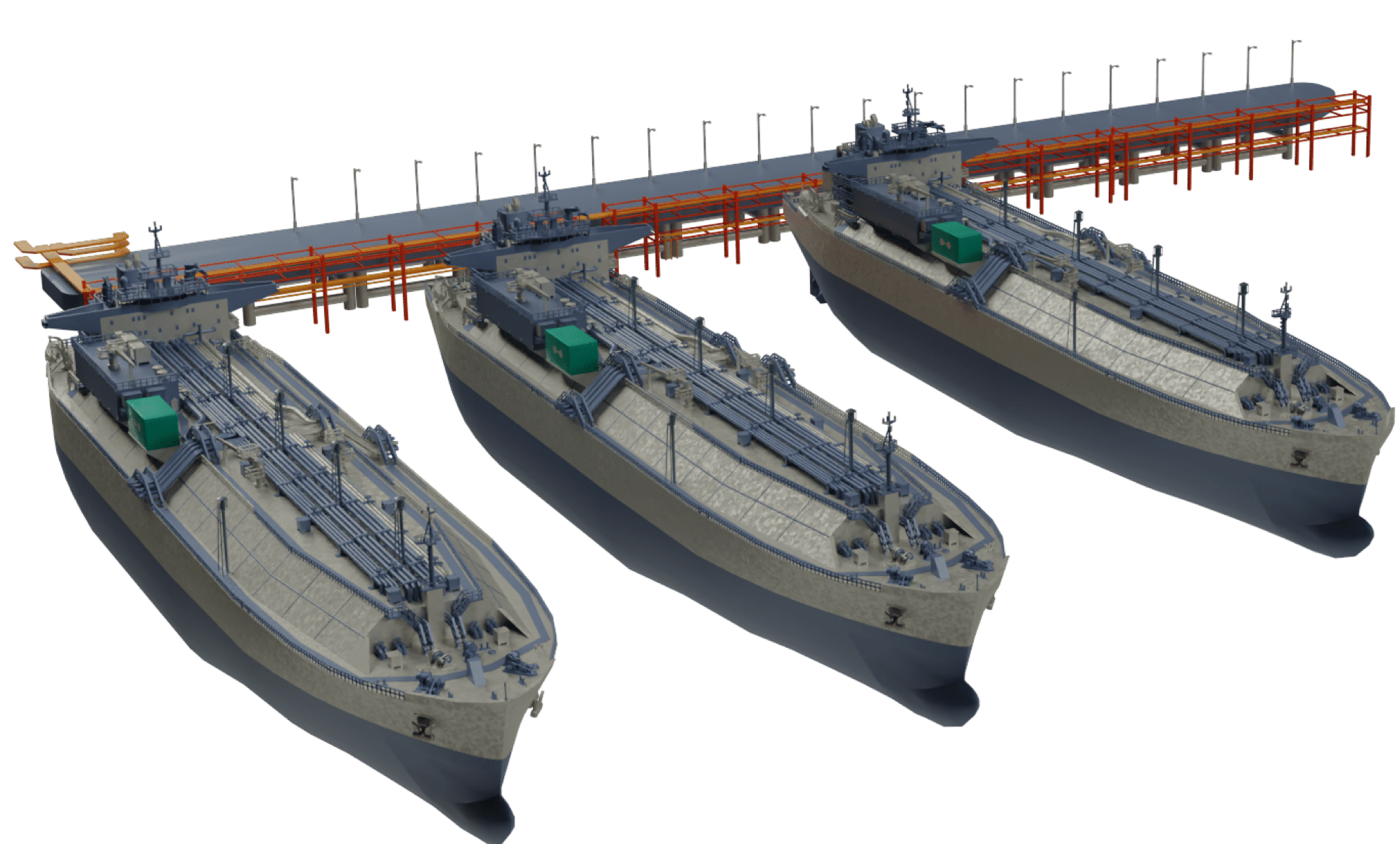
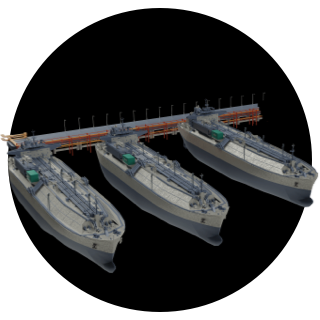
Midstream

Lower-Carbon LNG Shipping

oil_gas_midstream

Challenges of Decarbonization

  • High carbon emissions and limited use of side streams
  • Target Net Zero by 2050 for shipping – IMO regulations
  • CCUS not possible due to cost and space restrictions
  • CO2 sequestrations high cost

ROTOBOOST TCD Solution

  • Provides H2 on-site and on-demand for marine engines, boilers, and turbines—eliminating the need for complex hydrogen storage or bunkering
  • Produces revenue-generating solid carbon by-product. This solid carbon has direct applications in green steelmaking, green tires, and next-gen batteries

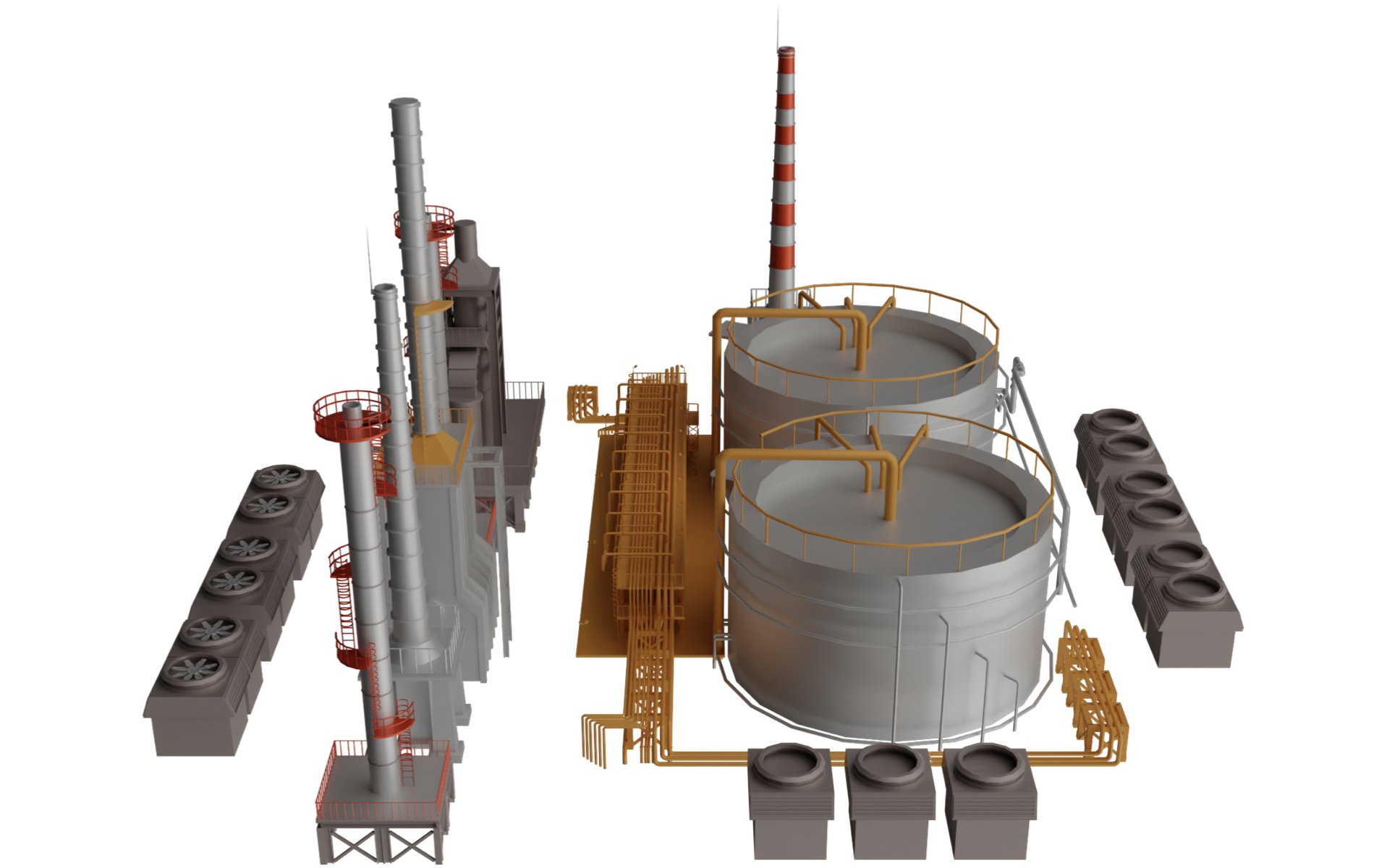
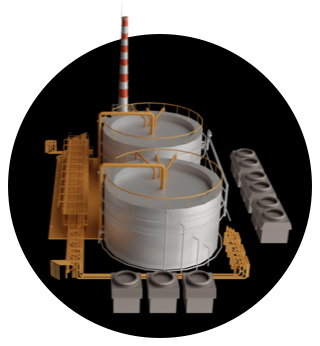
Downstream

On-Site Natural Gas Decarbonization

oil_gas_downstream

Challenges of Conventional Technologies

  • Each ton of H2 produced via SMR emits over 10 tons of CO2
  • CO2 capture is complex and costly while using electrolyzers would demand over 500 GWh of renewable electricity daily
  • SMR and electrolysis technologies have high water consumption

ROTOBOOST TCD Solution

  • No water needed as feedstock
  • Targets hydrogen production costs of below US$1 per kg
  • 90% less energy consmption than electrolysis
  • Produces high-value graphene as a by-product, supporting circular economy models
TOP